Enjoy the moment.
Give it space and watch quietly. Leave it in its habitat instead of picking it up, taking it home, or moving it somewhere that seems better. Kids can look closely with an adult nearby.
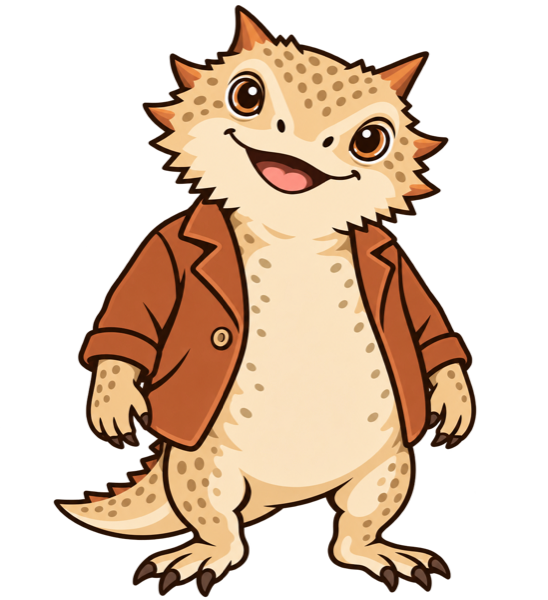 hey, horny toad!
A LITTLE ROOM GOES A LONG WAY
A chance encounter. A patch of good habitat. A sighting shared with researchers. There are several ways to help, whether someone owns a ranch or simply enjoys a walk outdoors.
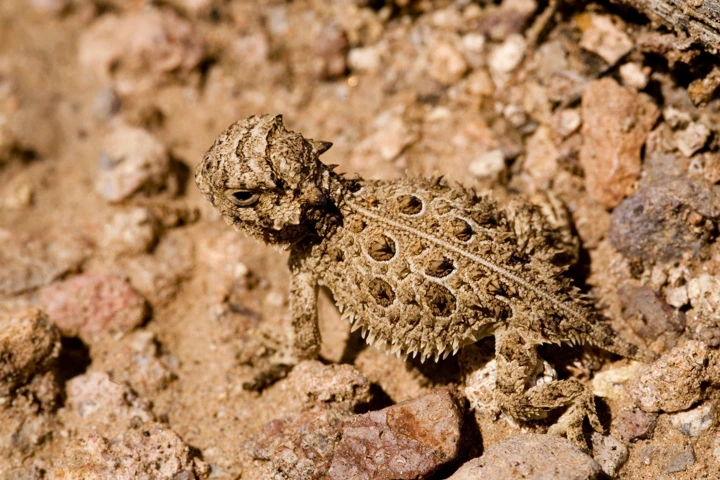
THE FUN OF FINDING ONE
Give it space and watch quietly. Leave it in its habitat instead of picking it up, taking it home, or moving it somewhere that seems better. Kids can look closely with an adult nearby.
A photo taken without disturbing the lizard can help with identification. Note the date and location for a sighting record. Keep pets back, and stay out of traffic.
Texas Parks & Wildlife uses iNaturalist projects to gather wildlife observations. Its instructions explain how to contribute. Avoid posting precise locations publicly; check location privacy before sharing.
Report through Texas Nature TrackersObserving and habitat guidance: TPWD’s Texas Horned Lizard Watch brochure (PDF).
ROOM TO LIVE
Horny toads need food, shelter, and ground they can dig into. Keeping those pieces together matters more than making a yard look tidy.
A mix of native grasses, scattered plants, and open soil provides places to forage and take cover. A solid lawn or a completely cleared lot doesn’t offer the same variety.
Harvester ants are an important food source. Avoid blanket insecticide treatments in horned-lizard habitat. Native harvester ants and invasive fire ants are different animals.
Supervise dogs and keep cats from roaming through wildlife habitat. A small lizard’s camouflage offers little protection from a persistent pet.
Move slowly on private tracks through known habitat and watch before mowing or clearing. Roads and vehicles can be dangerous for an animal this hard to spot.
Habitat advice: Texas Parks & Wildlife. Pets and conservation: Horned Lizard Conservation Society. Changes can improve habitat, but they don’t guarantee lizards will return.
HELPING THEM RETURN
Texas Parks & Wildlife, researchers, and partner zoos have worked together to raise and release Texas horned lizards. Monitoring after release helps reveal whether the animals survive and establish a population.
Releases take planning and suitable habitat. Moving wild lizards from one property to another isn’t a substitute for that work.
Read TPWD’s account of the programProgram background · September 2021San Antonio Zoo works with private landowners to identify suitable release sites in places where horned lizards once lived. Its team assesses habitat and follows the lizards after release.
The project’s official page is a starting point for learning about the work and ways to support it.
Explore the zoo’s reintroduction projectSan Antonio Zoo · Center for Conservation & ResearchFOLLOW THE PROGRESS
The Toad Times brings together verified reports from researchers and conservation groups.
Sources checked October 7, 2026.