Roadrunners
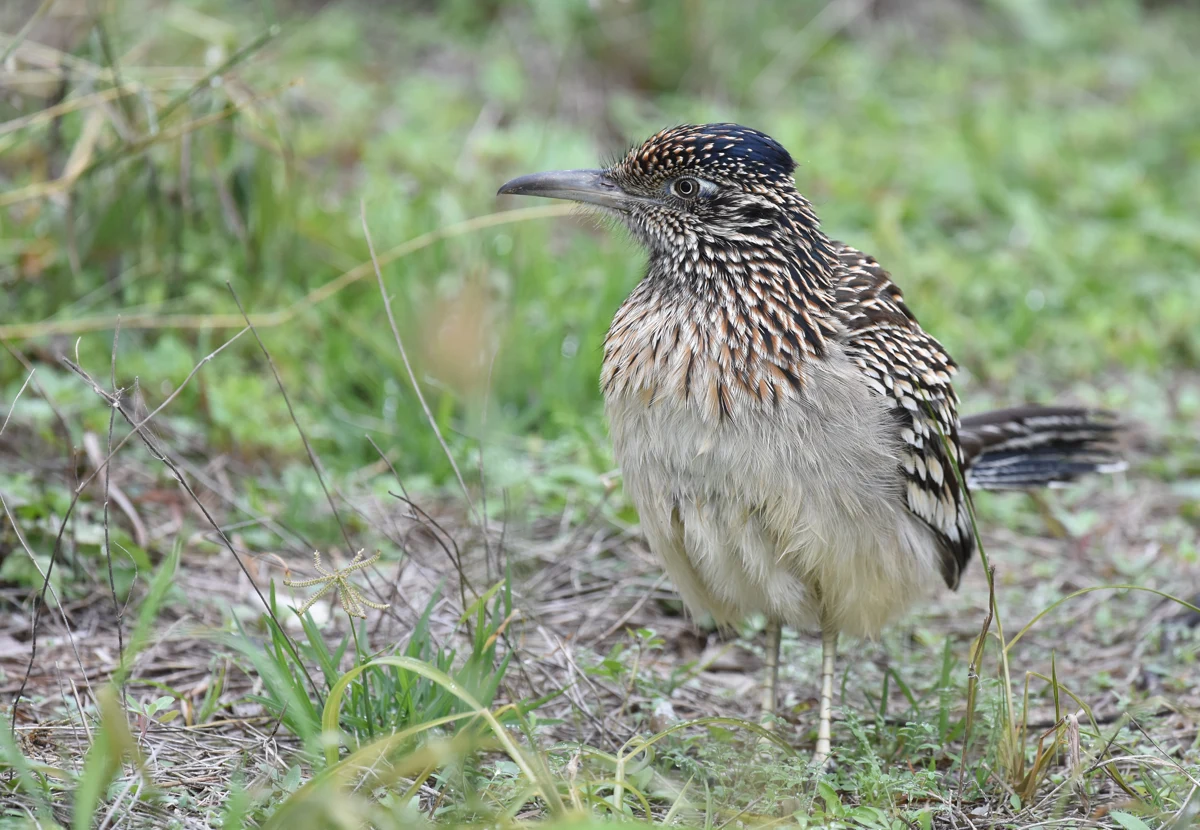
This quick-footed bird hunts small animals on the ground. Texas researchers have recorded greater roadrunners eating horned lizards.
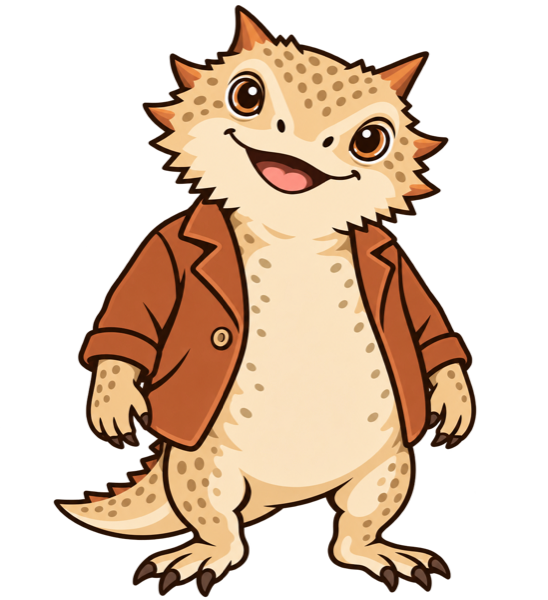 hey, horny toad!
A SMALL LIZARD IN A BIG WORLD
Horns help. So does hiding. But life close to the ground comes with plenty of challenges.
HUNGRY NEIGHBORS
For a predator, a horny toad can be a meal. These native hunters are part of the same ecosystem, and the lizard’s defenses help it live among them.
This quick-footed bird hunts small animals on the ground. Texas researchers have recorded greater roadrunners eating horned lizards.
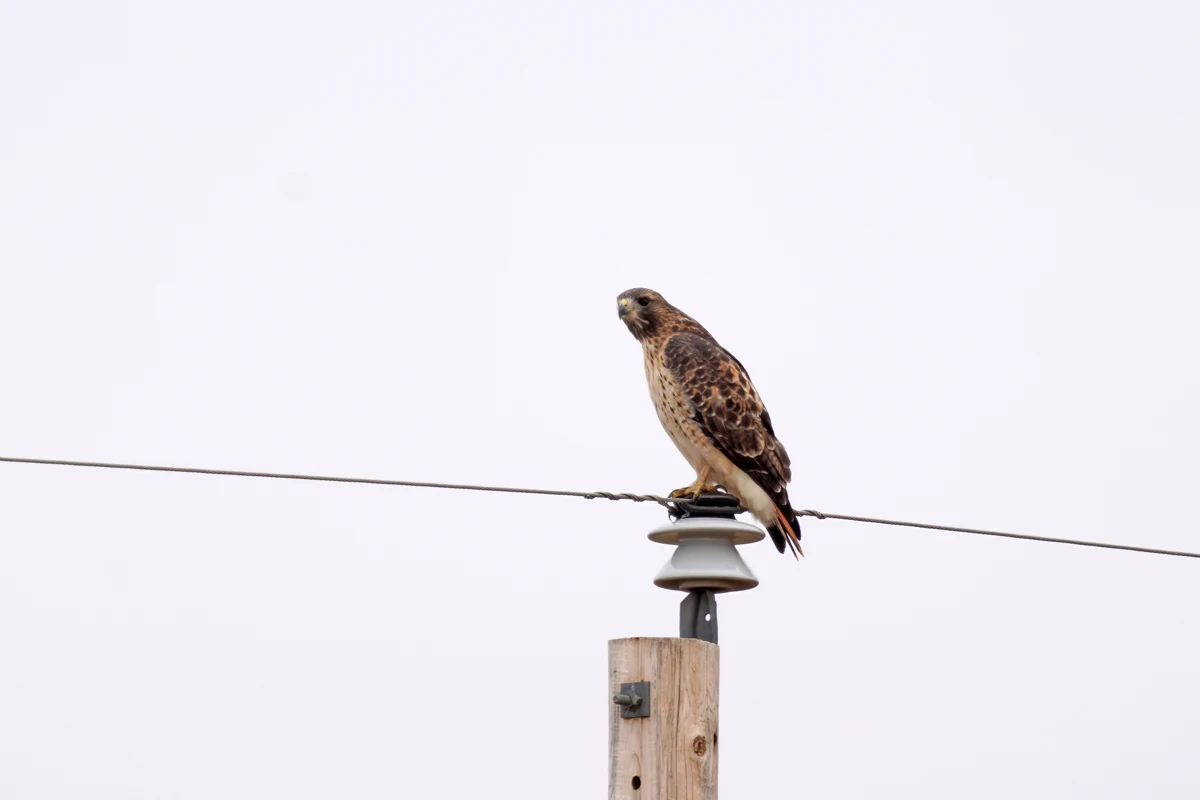
Birds are among the lizard’s predators. Matching the soil and staying still can help a horny toad go unnoticed.
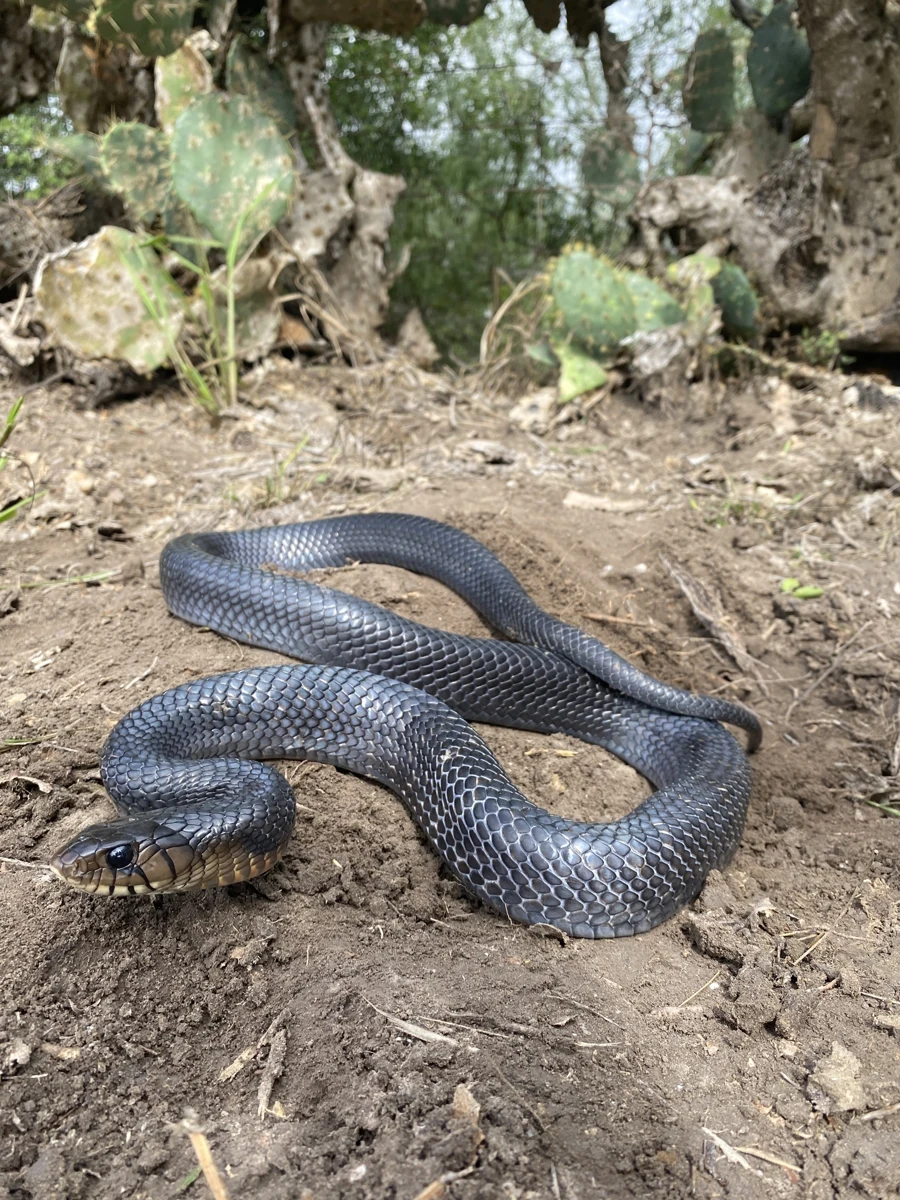
Some snakes eat horned lizards. The Texas indigo snake is one documented example; other snake species have different diets.
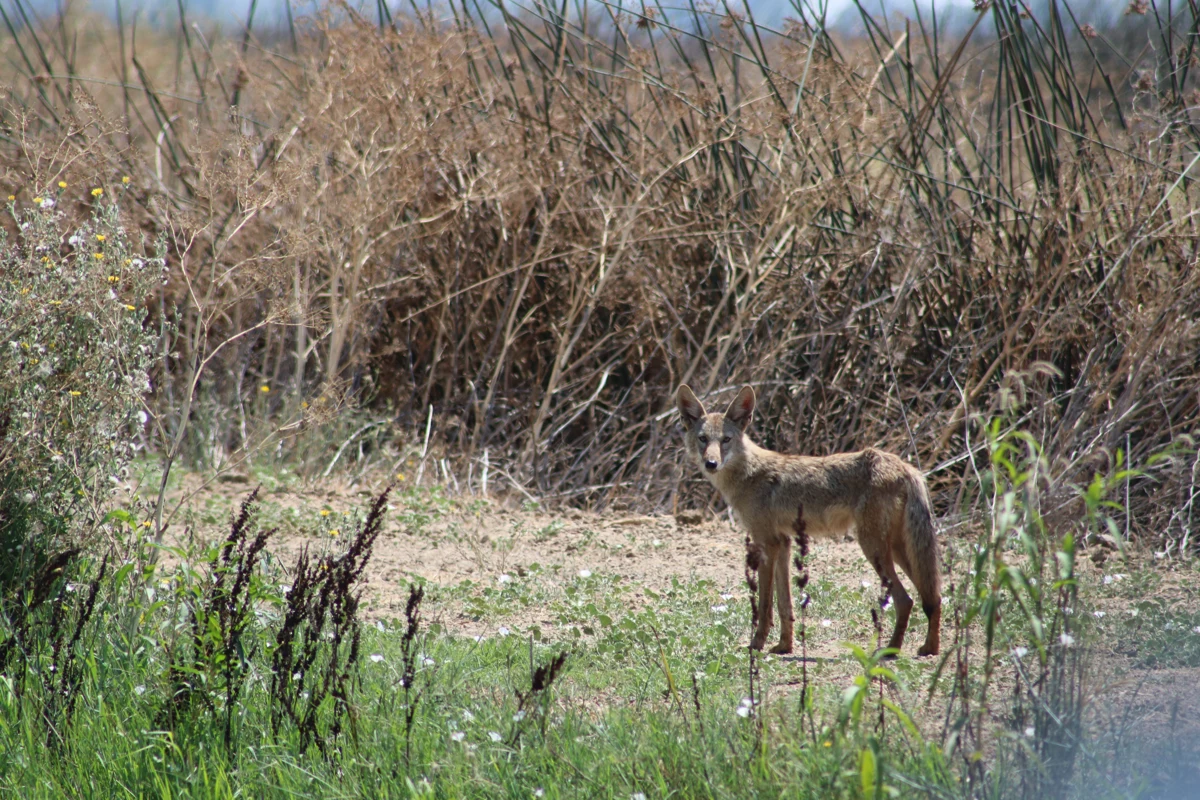
Coyotes are among their mammalian predators. A horny toad’s surprising blood-squirting defense can help discourage canine attackers.
Predators: TPWD wildlife research (2003; PDF). Bird predation and camouflage: Mirkin and colleagues (2021). Defenses: TPWD, Horned Lizards in West Texas.
Grasshopper mice also prey on horned lizards. Size alone doesn’t tell the whole story. Read the research.
A CHANGING NEIGHBORHOOD
A lizard can hide from a bird. It has fewer options when its food disappears or its home becomes pavement. Several pressures can act together, and their importance varies from place to place.
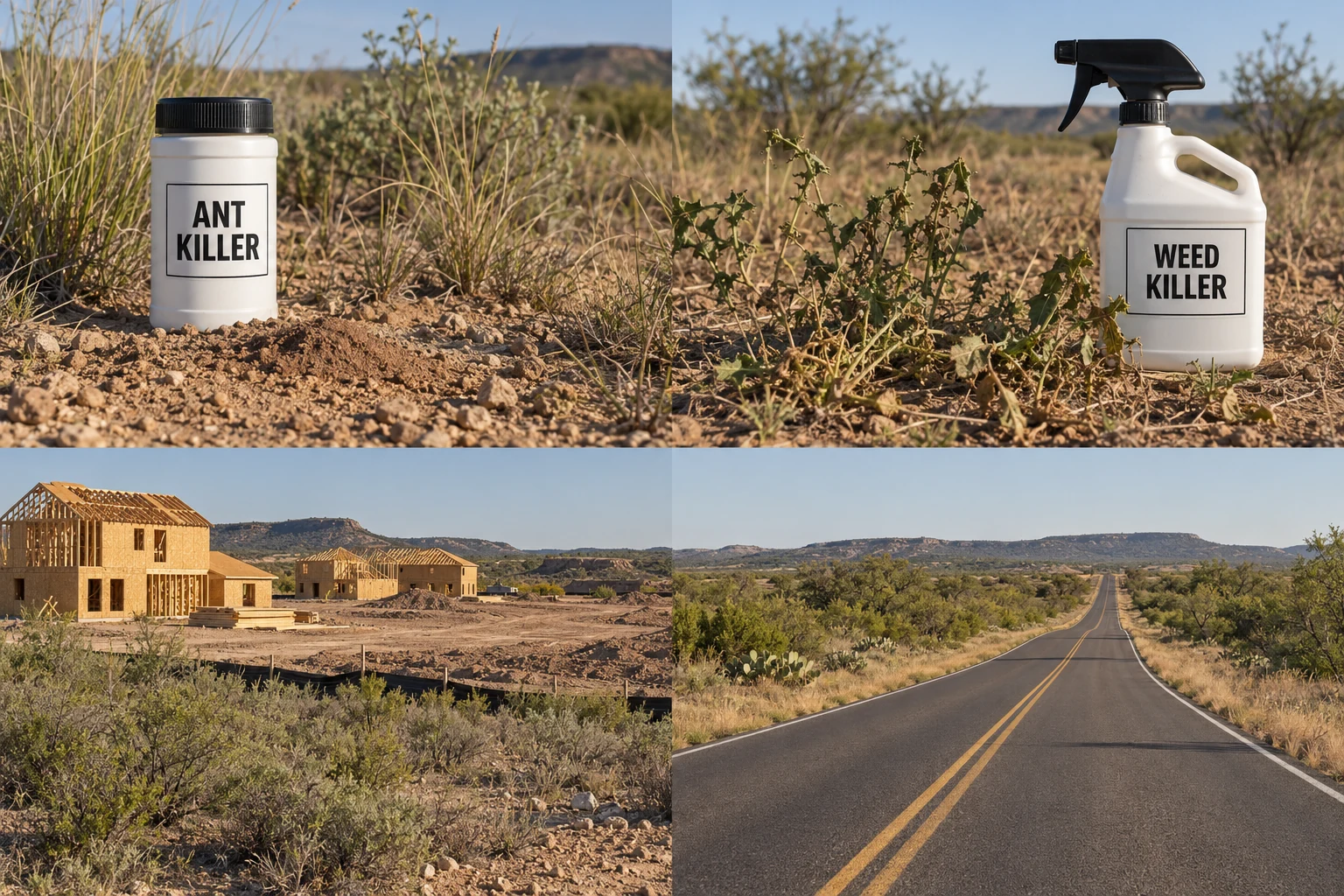
LESS FOOD
Broad insecticide treatments can kill native harvester ants, an important food source for horny toads. Protecting those ants is part of protecting the lizards.
LESS COVER
When weed control removes useful native plants, it can change the shelter and food resources a habitat provides. Horny toads need a mixture of open ground and vegetation; bare soil itself is normal.
LESS ROOM
New houses, parking lots, and cleared land can replace habitat. The patches left behind may be too small or separated from other places with food and shelter.
DANGEROUS CROSSINGS
Roads cut through habitat. A little lizard crossing the pavement can be difficult for a driver to see, and vehicle strikes are one of the dangers researchers identify.
Habitat and pesticide guidance: TPWD’s Texas Horned Lizard Watch · Horned Lizard Conservation Society. Road mortality: TPWD research (2003). Images are illustrative scenes. See how to reduce threats around their habitat.
Free-roaming cats and dogs can catch or injure horned lizards. Keeping pets from hunting wildlife removes a danger people can control. Conservation Society guidance.
Invasive red imported fire ants can attack eggs and young lizards. They’re different from the native harvester ants that provide food. Their contribution to declines belongs in a larger story of changing habitat and food supplies. Research background.
GIVING THEM A CHANCE
Biologists, zoos, and landowners are working to bring horny toads back. Find out what helps, from leaving a wild lizard undisturbed to protecting its habitat.
Greater roadrunner (Geococcyx californianus) · Wildreturn (Andy Reago & Chrissy McClarren) · CC BY 2.0.
Red-tailed hawk (Buteo jamaicensis) · Courtney Celley / U.S. Fish and Wildlife Service · Public domain (U.S. federal government employee, official duties).
Coyote (Canis latrans) · John Heil / U.S. Fish and Wildlife Service · Public domain (U.S. federal government employee, official duties).
Texas indigo snake (Drymarchon melanurus erebennus) · Dean Stavrides · CC BY 4.0.
Photographs resized and converted to WebP. Hawk, coyote, and snake are framed more closely for display.
Human-made threat scenes are generated editorial illustrations, not photographs of particular products or places. Wildlife sources checked October 7, 2026.

.jpg)
.jpg)
